
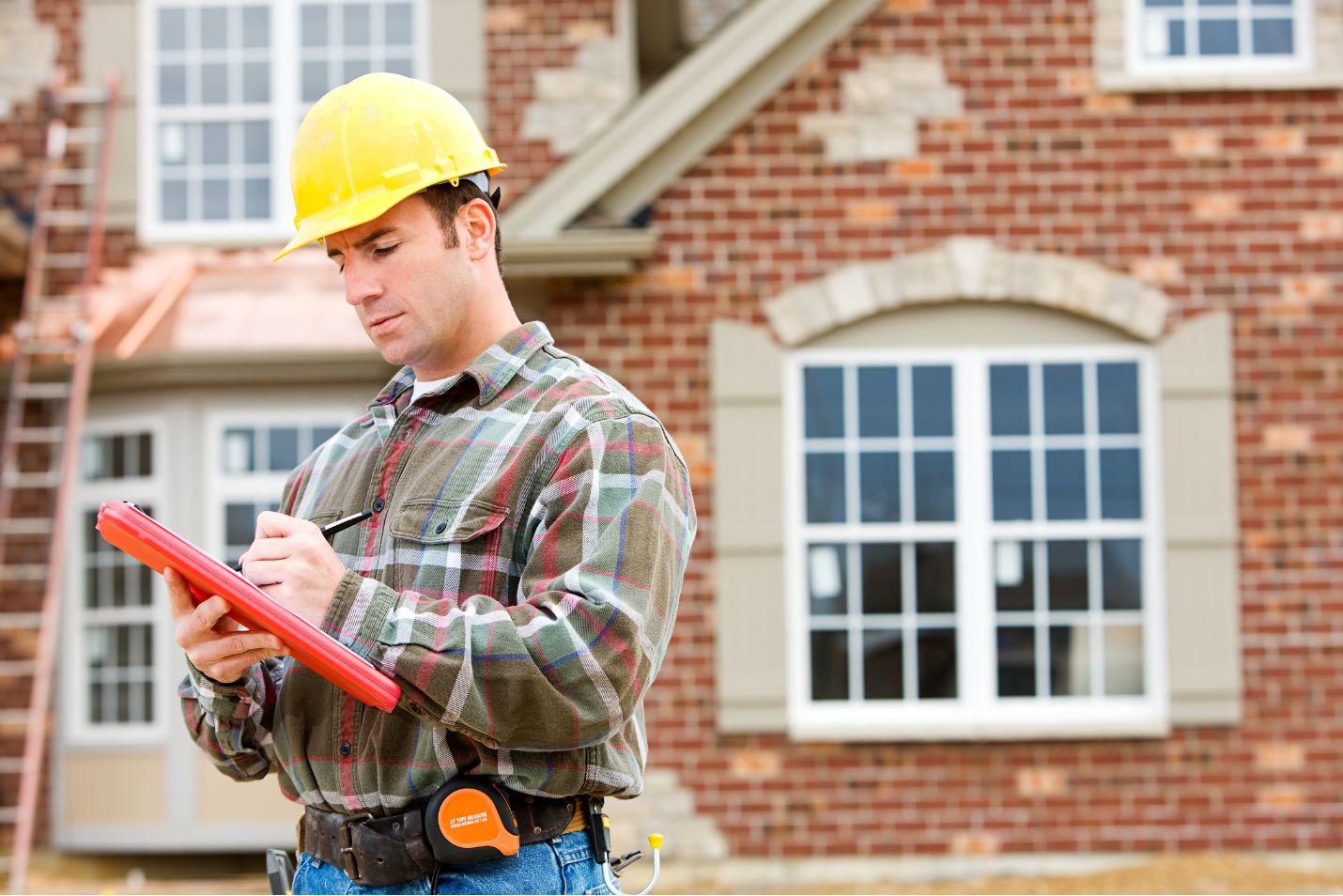
If you are considering a career as a home inspector in Florida, it is essential to be familiar with the licensing requirements set by the state. This comprehensive guide will outline the steps for how to become a licensed home inspector in Florida, ensuring you are well-prepared to begin your new career in the Sunshine State.
In brief, the steps to become a home inspector are:
- Complete a DBPR-approved 120-hour pre-licensing course
- Choose from 4 different state-approved exams and pass
- Complete fingerprints/background check
- Obtain at least $300,000 in commercial liability insurance
- Submit DBPR application
- Start your inspection business
While all applicants need to submit to a criminal background check to be reviewed by the state, having a criminal record will not automatically disqualify you. Although this may require extra paperwork.
Florida’s home inspection market continues to grow as home sales, new construction, and insurance-driven re-inspections create steady demand for licensed inspectors across the state. The steps and requirements described in this guide reflect Florida DBPR rules as of 2026.
Meet the Basic Requirements to Become a Florida Home Inspector
Before you can pursue a home inspector license in Florida, you must be at least 18 years old, and be in good moral standing. There is no citizenship requirement for licensure in Florida.
Learn how to earn any licenses in our blog on Florida’s contractor license requirements!
How will you demonstrate your good moral character? When submitting your application (see Step 5 below), you will have to undergo a background check and submit fingerprints. These checks ensure that you have no criminal history that would disqualify you from obtaining a home inspector license.
“Do I need a license to be a Home Inspector in Florida?”
Yes. The Florida Department of Business and Professional Regulation (DBPR) forbids anyone from operating as a home inspector without a professional license.
Complete an Approved 120-Hour Home Inspection Pre-Licensing Course
Gold Coast School of Construction offers an approved 120-Hour Florida Home Inspection Course that is head-and-shoulders above the rest. The class is available on-campus or livestream via Zoom with a live instructor who is an experienced inspector and industry professional.
If you really want to learn how to be a great home inspector, and not just satisfy the 120-hour requirement, this is the course for you.
The instructor will cover topics such as:
- Structure
- Electrical systems
- HVAC systems
- Roof covering
- Plumbing systems
- Interior components
- Exterior components
- Site conditions that affect the structure
The classes are held on consecutive Friday, Saturday, and Sunday sessions from 8:00am –6:00pm. There are four weekends required to complete the course.
We also offers a fifth weekend that includes the Wind Mitigation Training class, the Exam Prep Workshop, and the On-Campus Proctored State Exam. Application Assistance is also offered, if needed, so this is a one-stop shop for your Florida home inspector license!
Obtain the Required Liability Insurance
Before you can obtain your home inspector license, you must secure general liability insurance with a minimum coverage of $300,000. This insurance will protect you from potential financial losses arising from accidents, property damage, or other unforeseen incidents during your work.
Pass an Approved State Licensing Exam
After completing the 120-hour pre-licensing course, you will need to pass an approved state examination.
Types of Florida Home Inspector Exams
You can choose to take any of these exams:
- InterNACHI Florida Home Inspector Licensing Exam – This exam has 120 questions and you will have 1 hour to complete it. Every attempt at this exam costs $125 and can be taken at one of their proctored locations.
- Florida Association of Building Inspectors (FABI) – This exam consists of 100 multiple-choice questions and you should use their specific textbook to study, Principles of Home Inspection: Systems and Standards 3rd Ed. Update. You will have 2 hours to finish the exam which costs $200 with each attempt. This is an in-person exam.
- National Home Inspector Exam (NHIE) – This exam costs about $225 depending on where you live and is made up of 200 multiple-choice questions, 25 of which are practice questions that won’t count toward your score. You will have 4 hours to finish this exam.
- Association of Construction Industry’s Certified Home & Property Inspector Exam (CI-HPI) – This exam costs $250 for in-person and $150 for online. ACICP has not released the number of test questions on its exam but it does note that test takes will have 2 hours to complete it.
Gold Coast School of Construction offers a home inspection program complete with a unique hands-on inspection experience and an exam prep workshop to get you ready for the exam.
Submit Your Application
Once you have met the education, insurance, and examination requirements, you can submit your application for a home inspector license to the Florida DBPR.
The application process includes:
- Filling out the required application form
- Providing proof of your completed pre-licensing course
- Attesting that you have obtained general liability insurance
- Submitting a copy of your exam results
- Paying the application fee
- Obtaining a background check and fingerprints
If you would like to have your application done by a professional, Gold Coast School of Construction has a dedicated Application Services Team that can help.
Maintain and Renew Your Florida Home Inspector License
Once you receive your Florida home inspector license, you must meet certain requirements to maintain and renew it. Licenses must be renewed every two years, and during each renewal period, you will need to complete 14 hours of continuing education from an approved provider.
Gold Coast School of Construction’s state-approved Florida home inspector continuing education programs can be completed online, live-streamed, or in-person at Florida campuses.
FL Home Inspector Exam Study Tips
The FDBPR home inspector exam is not to be taken lightly. The key is not to try and memorize every single detail, but rather understanding how home systems work together and how home inspectors identify defects, safety concerns, and conditions that warrant reporting.
Focus on the Major Home Systems
Most of the exam questions concern understanding and evaluating:
- HVAC systems
- Roofing systems
- Electrical systems
- Plumbing systems
- Interior components
- Exterior components
- Structural components
- Insulation and ventilation
As you study, think about the purpose of each component, how it works, and what the most common defects are.
Learn Defects, Not Just Construction
You need to understand not only how homes are build, but what can go wrong in home design.
For the exam, be able to recognize:
- Electrical hazards
- Roof deterioration
- Water intrusion issues
- Foundation settlement
- Moisture-related problems
- Plumbing leaks and failures
- Improper HVAC installations
Understand Florida-specific Conditions
There are several environmental challenges to homes unique to Florida to pay attention to, such as:
- Mold risks
- Coastal corrosion
- Moisture intrusion
- Wind mitigation features
- Hurricane-resistant construction
- Roofing systems common in Florida
- High humidity impacts on HVAC systems
These issues are likely to come up on the exam and in real-world inspections.
Know the Standards of Practice
You need to focus on more than just technical knowledge, but also:
- Ethical obligations
- Reporting requirements
- What is outside the scope of an inspection
- What a home inspector is required to inspect
Questions often test whether an inspector should report an issue, recommend further evaluation, or exclude something from the inspection scope.
Take Lots of Practice Exams
Practice exams help you:
- Build confidence
- Identify weak areas
- Improve reading speed
- Learn how questions are phrased
After each practice exam:
- Review every incorrect answer
- Understand why the correct answer is right
- Identify recurring knowledge gaps
Use Photos and Inspection Reports
Home inspection is highly visual.
Make sure you study:
- Defect examples
- Inspection photos
- Sample inspection reports
Being able to recognize a problem visually often improves retention more than reading textbook descriptions.
Don’t Ignore Electrical Questions
Electrical topics often intimidate candidates.
Focus on:
- GFCIs
- AFCIs
- Service panels
- Grounding and bonding
- Overcurrent protection
- Common wiring defects
You don’t need to be an electrician, but you should understand what constitutes a safety concern.
Study HVAC and Roofing Carefully
These are two areas where candidates frequently struggle. These are some critical areas to know when it comes to roofing and HVAC.
Roofing
- Asphalt shingles
- Tile roofs
- Flashing
- Roof drainage
- Roof lifespan indicators
HVAC
- Heat pumps
- Air distribution
- Condensate systems
- Refrigerant components
- Common deficiencies
Learn Inspection Terminology
The exam often uses industry terminology.
Be comfortable with terms such as:
- Efflorescence
- Spalling
- Differential settlement
- Delamination
- Backdrafting
- Flashing
- Truss
- Weep holes
Understanding the language can make questions much easier.
Create a Study Schedule
A simple plan might look like:
- Week 1: Structures and roofing
- Week 2: Electrical and plumbing
- Week 3: HVAC, Interiors, and Exteriors
- Week 4: Ethics, Standards of Practice, and Practice Exams
Consistency usually beats cramming.
Common Mistakes to Avoid
- Memorizing answers instead of concepts
- Ignoring Standards of Practice
- Neglecting electrical systems
- Skipping practice tests
- Focusing only on classroom notes
- Not reviewing visual defect examples
Final Exam-Day Tip
Read every question carefully. Home inspection exams often include answers that are technically true but don’t represent the best inspection practice.
When in doubt, think like a professional inspector whose job is to:
- Observe,
- Document,
- Report,
- Recommend further evaluation when appropriate.
That mindset will often lead you to the correct answer.
Ready to start your home inspector career in Florida? Enroll in our Florida Home Inspector course or contact Gold Coast School of Construction to find upcoming course dates, enrollment options, and application assistance or call 1-800-732-9140.
Frequently Asked Questions
What are the best home inspection courses in Florida?
Gold Coast School of Construction offers Florida’s most comprehensive home inspector pre-licensing course. Their 120-hour program is DBPR-approved and available on-campus in South Florida and as a live-streamed course via Zoom. The curriculum covers all inspection categories required by the state, plus a Wind Mitigation Training and on-campus proctored exam option.
How long does it take to get a home inspector license in Florida?
Most candidates can complete the process in six to twelve weeks: four weekends for the 120-hour course, a few weeks to schedule and sit for the exam, and several weeks for DBPR application processing. Gold Coast’s fifth-weekend package, which includes the on-campus exam, can compress the timeline significantly.
Do I need experience to become a Florida home inspector?
No prior inspection or construction experience is required to apply for a Florida home inspector license. The 120-hour pre-licensing course and licensing exam are the primary educational requirements.
Can I work as a home inspector while waiting for my Florida license?
No. Florida law prohibits performing home inspections for compensation without a valid license. Do not inspect homes commercially until your license has been issued by DBPR.
What continuing education is required to renew a Florida home inspector license?
Florida home inspector licenses renew every two years and require 14 hours of CE per cycle. Gold Coast School of Construction offers DBPR-approved home inspector CE courses.
What is the average salary for a home inspector in Florida?
The average for the state is about $53,000 but major cities such as Fort Meyers can pay upwards of $92,470 per year or as much as $80,674 in Jacksonville.
How long does it take to earn a Florida Home Inspector license?
The Florida Department of business and Professional Regulation requires potential home inspectors to take 120 hours of training, pass an exam, and submit an application, which in all can take between a few weeks and a few months. How quickly you complete the 120 hours and submit your application will determine how long the process will take.
Can a contractor become a home inspector in Florida?
Yes! Those with a construction background actually have a big advantage when it comes to earning a home inspection license in Florida. Contractors can either perform inspections under their existing license or they can earn a standalone home inspector license.
Can realtors become home inspectors?
Yes they can; however, Florida law prevents a real estate agent from acting as a home inspector on the same transaction due to a conflict of interest.
What is the home inspector exam pass rate?
The pass rate is between 50% and 55%. The challenging nature of the exam means you should consider adding formal exam prep materials to your own experience for the greatest chance of passing.
Written by Chris Clausing. Chris Clausing is the Program Director for Gold Coast School of Construction and Curriculum and Program Innovation for Colibri Group’s Construction Education Ecosystem. Chris is a Certified General Contractor (CGC1515171) in the State of Florida with over 20 years of experience in the Construction and Inspection industries. Chris also sits as a Consensus Committee Member for the IECC helping shape the energy codes of the future as well as a LEED GA. If you have any questions, please reach out to Chris directly at Contractor@GoldCoastSchools.com.

Interested in becoming a Florida real estate agent?
Connect with an enrollment advisor today.
By clicking “Submit”, you authorize Gold Coast Schools (“us”) to deliver, or cause to be delivered, to you at the phone number you provided above with telemarketing, promotional, informational, and transactional calls and/or text messages using an automatic telephone dialing system or prerecorded/artificial voice. Message and data rates may apply. Text message and call frequency varies. You may opt-out of receiving texts at any time by replying “STOP”. You may opt out of receiving calls/texts by contacting us at info@goldcoastschools.com and letting us know you want to opt-out. Reply “HELP” to a text for assistance. Calls and texts may be recorded for quality and training purposes. Your consent is not required to purchase any goods or services from us.
By clicking “Submit”, you also agree to receive commercial, promotional, and transactional emails from us at the email address you provided above You can opt out of receiving future emails at any time using the unsubscribe link in our electronic messages or by contacting us at info@goldcoastschools.com and letting us know you want to opt-out. See our Terms and Conditions and Privacy Policy for more information.
By clicking “Submit”, you authorize Gold Coast Schools (“us”) to deliver, or cause to be delivered, to you at the phone number you provided above with telemarketing, promotional, informational, and transactional calls and/0r text messages using an automatic telephone dialing system or prerecorded/artificial voice. Message and data rates may apply. Text message and call frequency varies. You may opt-out of receiving texts at any time by replying “STOP”. You may opt out of receiving calls/texts by contacting us at info@goldcoastschools.com and letting us know you want to opt-out. Reply “HELP” to a text for assistance. Calls and texts may be recorded for quality and training purposes. Your consent is not required to purchase any goods or services from us.
By clicking “Submit”, you also agree to receive commercial, promotional, and transactional emails from us at the email address you provided above You can opt out of receiving future emails at any time using the unsubscribe link in our electronic messages or by contacting us at info@goldcoastschools.com and letting us know you want to opt-out. See our Terms and Conditions and Privacy Policy for more information.
Need Help?
We're here for you!
Our expert enrollment advisors are available with any questions you might have.
800.732.9140
Hours:
Mon-Thur 8am - 6pm (EST)
Fri 8am - 5pm (EST)
Sat 8am - 12:30pm (EST)