
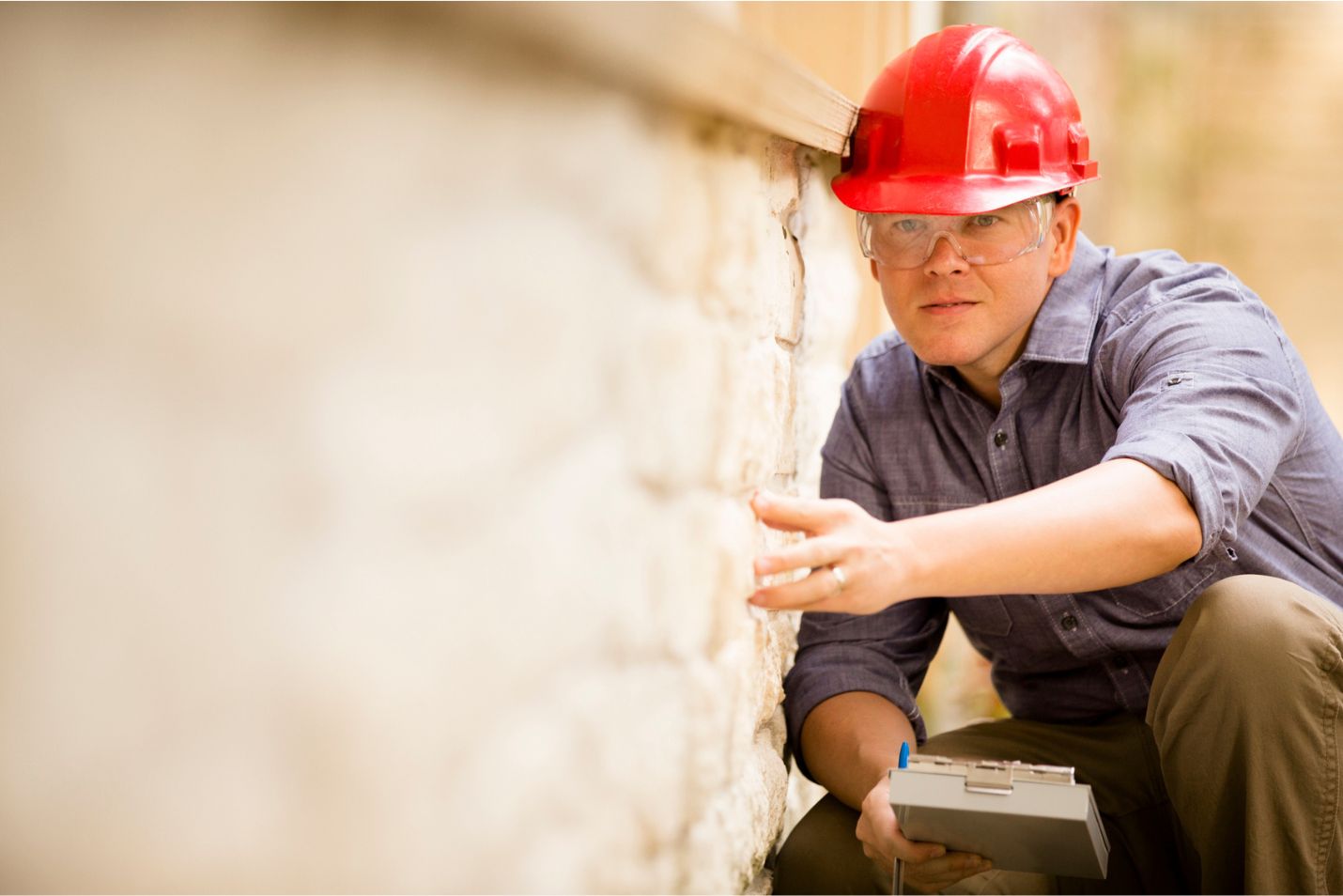
If you’re researching common home inspection issues, you’re already thinking like an inspector.
Understanding how to identify roofing deficiencies, electrical hazards, structural movement, and moisture intrusion is the foundation of a successful home inspection career. In Florida’s competitive and growing housing market, licensed home inspectors are expected to recognize defects accurately, document findings clearly, and follow strict Standards of Practice.
At a Glance: Common Home Inspection Issues (Florida)
- Most common issues: Roofing deficiencies, electrical hazards, plumbing leaks/moisture intrusion, structural/foundation movement, HVAC deficiencies, and exterior drainage/grading problems
- Where inspectors find them: Roofing/attics, electrical panels/circuits, plumbing fixtures/water heaters, foundations/framing, HVAC equipment/ductwork, and exterior drainage systems
- Why it matters: These issues can affect safety, performance, insurance decisions, and repair costs
- Professional expectations: Accurate defect recognition, clear documentation, and adherence to Florida Standards of Practice
- Florida licensing note: Candidates must complete state-approved pre-licensing education and meet Florida DBPR requirements before applying for licensure
Below are the most frequently reported common home inspection issues—and why mastering them is essential for your professional training.
Roofing Deficiencies
Roofing problems remain one of the most common home inspection issues in Florida. Inspectors routinely identify:
- Missing or damaged shingles
- Improper flashing installation
- Signs of water intrusion in attic spaces
- Aging roofing systems nearing the end of their service life
Florida’s heat, humidity, and storm exposure make roof evaluation a high-value inspection skill. Proper training teaches inspectors how to assess roofing materials, recognize installation defects, and document deficiencies correctly.
Electrical System Hazards
Electrical deficiencies are among the most serious common home inspection issues due to potential safety risks. Typical findings include:
- Outdated or recalled electrical panels
- Double-tapped breakers
- Improper and/or unpermitted wiring modifications
- Missing GFCI or AFCI protection
A professional home inspector must understand current safety standards while staying within the legal scope of practice. Accurate reporting protects both the client and the inspector.
Plumbing Leaks and Moisture Intrusion
Moisture-related problems are frequently documented during inspections and can lead to long-term structural damage. Common findings include:
- Active plumbing leaks
- Corroded or outdated piping
- Water heater deficiencies
- Evidence of hidden moisture damage
Florida’s humidity increases the importance of moisture detection. Identifying early signs of water intrusion is a core competency taught in structured inspection training.
Structural and Foundation Movement
Foundation cracks, framing movement, and uneven flooring are recurring common home inspection issues. Inspectors must learn to distinguish between:
- Cosmetic settlement cracks
- Structural movement concerns
- Drainage conditions contributing to foundation stress
- Sloping floors
These problems can lead to costly repairs and safety concerns if not addressed. Understanding load paths, framing systems, and visible indicators of movement—especially above window and door openings—is critical for accurate reporting.
HVAC System Deficiencies
Heating and cooling systems are routinely evaluated during a professional home inspection. Frequent issues include:
- Units at or beyond expected service life
- Improper installation
- Inadequate airflow
- Lack of maintenance
Given Florida’s climate, HVAC performance is especially significant. Inspectors must understand system components, observable deficiencies, and documentation requirements. Develop a routine for checking air filters, ductwork, and other essential components during your inspections.
Exterior Drainage and Grading Problems
Improper drainage contributes to long-term structural concerns and remains one of the most common home inspection issues. Inspectors look for:
- Soil sloping toward the structure
- Standing water near foundations
- Gutter and downspout deficiencies
- Crawl space moisture conditions
- Improper grading around the foundation
Exterior evaluation skills are essential for preventing future structural deterioration.
Why Professional Training Matters
Recognizing common home inspection issues is not simply about spotting visible defects. It requires understanding:
- Building systems and components
- Florida Standards of Practice
- Proper inspection limitations
- Clear, defensible report writing
- Risk management and liability awareness
Without structured training, inspectors may overlook critical deficiencies or exceed their professional scope. This is why state-approved education is essential before entering the field.
Home Inspector Licensing in Florida
To become a licensed home inspector in Florida, candidates must complete state-approved pre-licensing education and meet requirements established by the Florida Department of Business and Professional Regulation (DBPR).
Training should prepare students to:
- Inspect structural systems
- Evaluate roofing and exterior components
- Assess electrical and plumbing systems
- Identify common home inspection issues
- Produce professional inspection reports
Proper preparation directly impacts your ability to succeed and operate confidently.
Start Your Career with Gold Coast School of Construction
Gold Coast School of Construction offers state-approved Florida Home Inspector courses designed to prepare students for Florida licensure and real-world inspection scenarios.
The curriculum covers:
- Structural systems
- Roofing inspection techniques
- Electrical and plumbing evaluation
- HVAC system assessment
- Professional report writing
- Florida-specific standards of practice
If you are serious about entering the home inspection profession, comprehensive training is the first step.
Learn more about course schedules, licensing requirements, and enrollment options today.
Frequently Asked Questions
What are the most common home inspection issues?
The most common home inspection issues include roofing deficiencies, electrical hazards, plumbing leaks, structural movement, HVAC system wear, and drainage problems.
What skills do home inspectors need?
Home inspectors need knowledge of building systems, strong observational skills, understanding of safety standards, and the ability to produce clear, professional reports.
How do I become a licensed home inspector in Florida?
As with any Florida contractor license, you must complete state-approved pre-licensing education and meet requirements established by the Florida DBPR before applying for licensure.
How long does home inspector training take?
Training length depends on the program, but state-approved courses are designed to meet Florida’s required education hours and prepare students for licensing efficiently.
About the Author

Chris Clausing
Chris Clausing is the Director of Program & Curriculum Innovation at Gold Coast School of Construction and a Certified General Contractor with a background in construction management and contractor licensing.

Interested in becoming a Florida real estate agent?
Connect with an enrollment advisor today.
By clicking “Submit”, you authorize Gold Coast Schools (“us”) to deliver, or cause to be delivered, to you at the phone number you provided above with telemarketing, promotional, informational, and transactional calls and/or text messages using an automatic telephone dialing system or prerecorded/artificial voice. Message and data rates may apply. Text message and call frequency varies. You may opt-out of receiving texts at any time by replying “STOP”. You may opt out of receiving calls/texts by contacting us at info@goldcoastschools.com and letting us know you want to opt-out. Reply “HELP” to a text for assistance. Calls and texts may be recorded for quality and training purposes. Your consent is not required to purchase any goods or services from us.
By clicking “Submit”, you also agree to receive commercial, promotional, and transactional emails from us at the email address you provided above You can opt out of receiving future emails at any time using the unsubscribe link in our electronic messages or by contacting us at info@goldcoastschools.com and letting us know you want to opt-out. See our Terms and Conditions and Privacy Policy for more information.
By clicking “Submit”, you authorize Gold Coast Schools (“us”) to deliver, or cause to be delivered, to you at the phone number you provided above with telemarketing, promotional, informational, and transactional calls and/0r text messages using an automatic telephone dialing system or prerecorded/artificial voice. Message and data rates may apply. Text message and call frequency varies. You may opt-out of receiving texts at any time by replying “STOP”. You may opt out of receiving calls/texts by contacting us at info@goldcoastschools.com and letting us know you want to opt-out. Reply “HELP” to a text for assistance. Calls and texts may be recorded for quality and training purposes. Your consent is not required to purchase any goods or services from us.
By clicking “Submit”, you also agree to receive commercial, promotional, and transactional emails from us at the email address you provided above You can opt out of receiving future emails at any time using the unsubscribe link in our electronic messages or by contacting us at info@goldcoastschools.com and letting us know you want to opt-out. See our Terms and Conditions and Privacy Policy for more information.
Need Help?
We're here for you!
Our expert enrollment advisors are available with any questions you might have.
800.732.9140
Hours:
Mon-Thur 8am - 6pm (EST)
Fri 8am - 5pm (EST)
Sat 8am - 12:30pm (EST)